

Selected Reference Projects
The projects below represent selected academic, professional, and public-sector work carried out in Europe and the United States between 2012 and 2025.
Historic Structure Condition Assessment
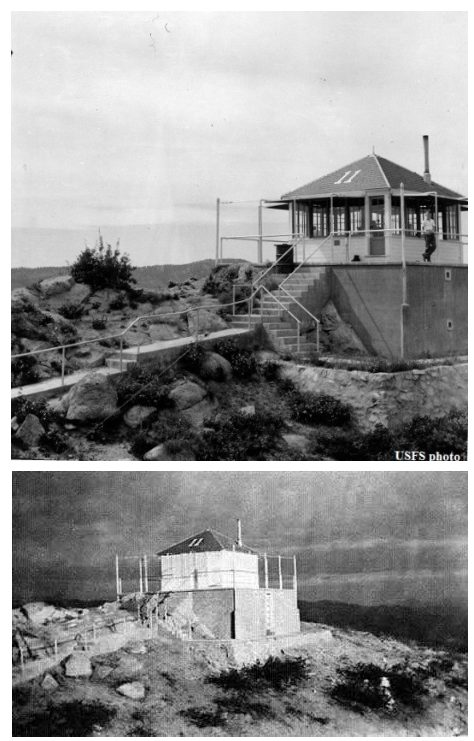
Silver Creek Lookout (No. 403), Boise National Forest, Idaho
HistoriCorps, 2025
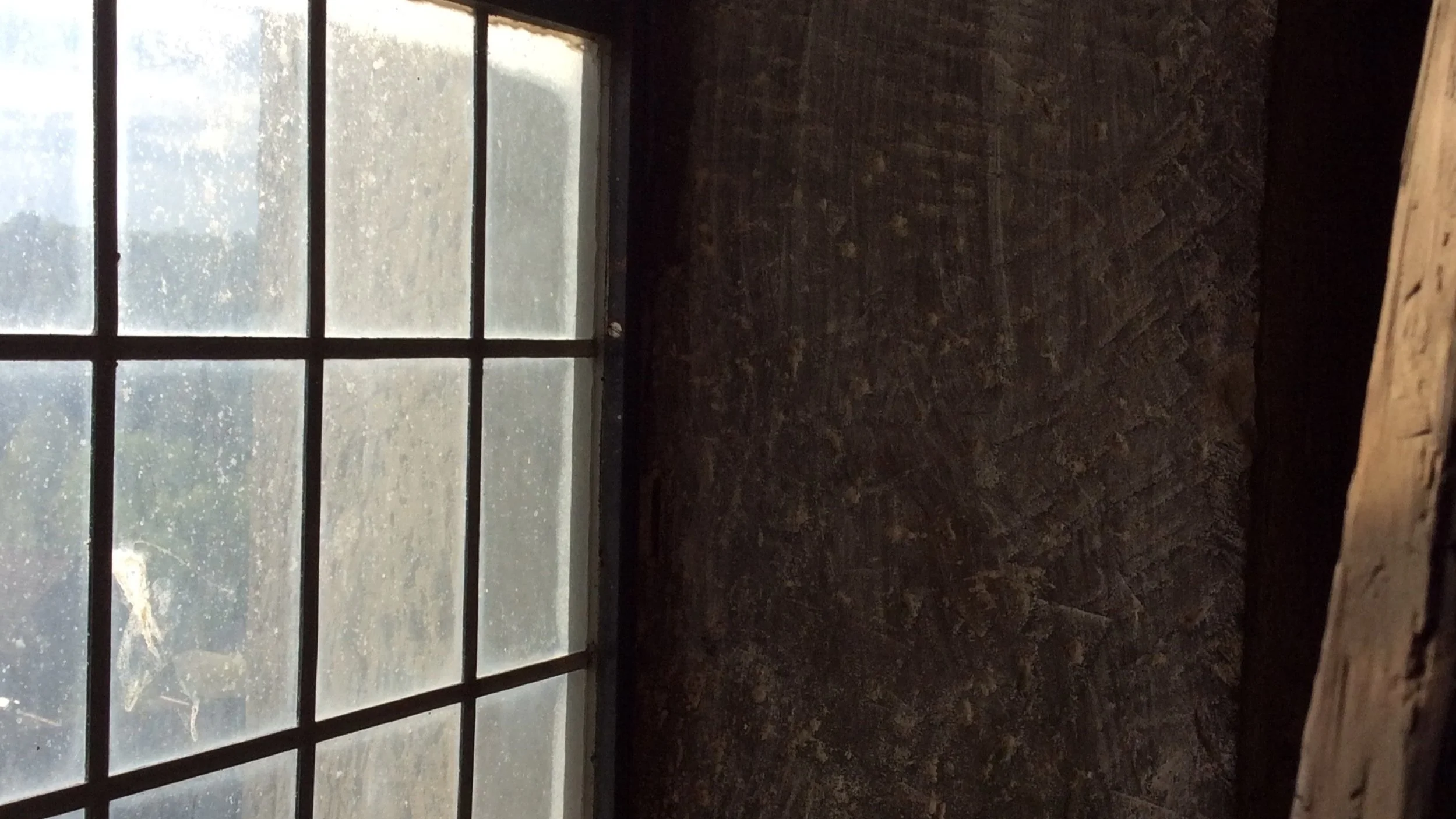
Marc Wartner is serving as a Principal Investigator and Architectural Historian on behalf of HistoriCorps for the condition assessment of the Silver Creek Lookout, a historic fire lookout located on Silver Creek Point within the Boise National Forest.
The Silver Creek Lookout assessment is one of four historic structure condition assessments currently being prepared within the Boise National Forest as part of a broader preservation effort led by HistoriCorps.
The work includes detailed documentation of existing conditions for the lookout, garage, privy, and associated site features; evaluation of structural systems, materials, and deterioration mechanisms; and development of preservation-based treatment recommendations consistent with the Secretary of the Interior’s Standards.
Historic Building Condition Assessment & Preservation Advisory
Judge Gaston Law Office, New Bern, North Carolina
New Bern Garden Club, 2023–2025
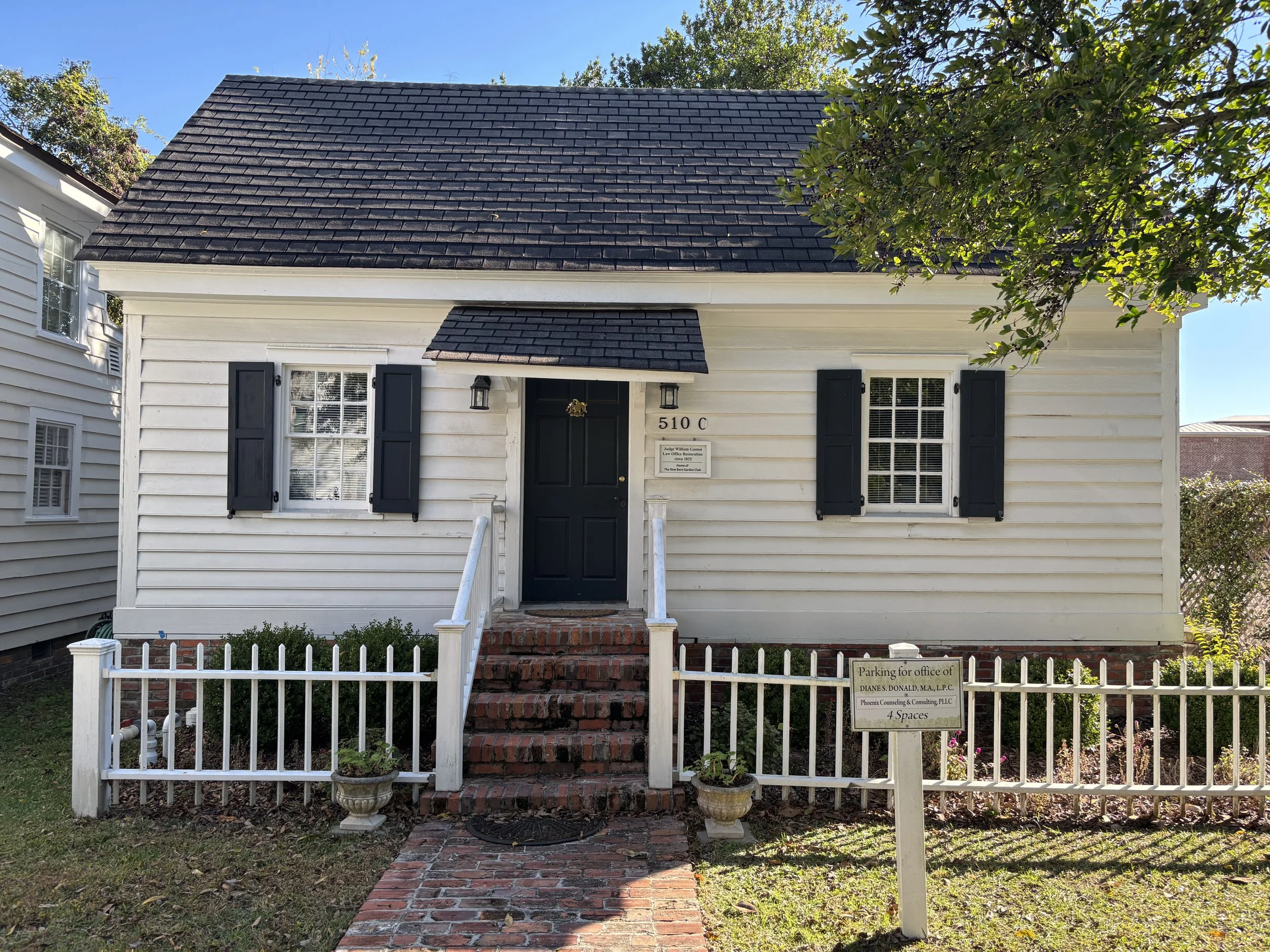
Marc Wartner provided ongoing historic preservation consulting and condition assessment services for the Judge Gaston Law Office, a contributing historic structure in New Bern, North Carolina. The engagement was conducted on behalf of the New Bern Garden Club to support informed long-term stewardship and preservation decision-making.
Services included detailed evaluation of existing conditions, identification of material deterioration, and assessment of character-defining features. Guidance was provided on preservation priorities, maintenance planning, and treatment approaches consistent with established preservation standards.
The work supported the Garden Club in understanding the building’s condition and significance and in planning appropriate preservation actions over multiple seasons.
Architectural Historic Survey “Kronengasse 8”,
Wiernsheim, Baden-Wuerttemberg, 2019
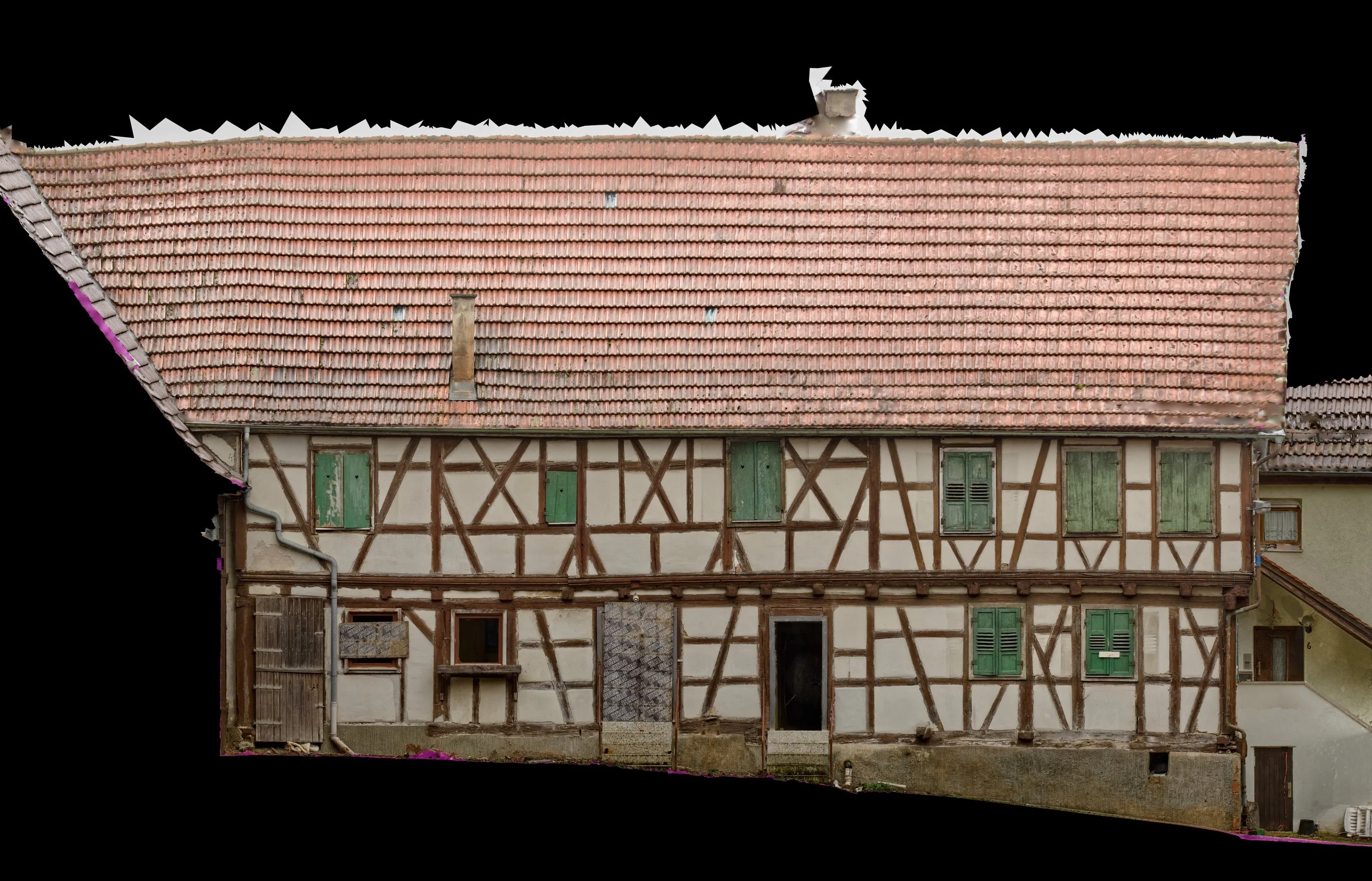
The property was acquired by local authorities with the intent to demolish the existing structure and construct an assisted senior living facility on the site. At the time of survey, the building had been abandoned for several years and was in a desolate condition.
An in-depth architectural historic survey was commissioned to evaluate the building’s significance and construction history. Dendrochronological analysis identified the main residential structure as dating to 1698/99, while an adjoining barn was dated to 1579, confirming the presence of substantial early historic fabric within the complex.
The work included:
• Dendrochronological dating of the different construction phases
• Reconstruction of the original floor plans
• Archival research into former ownership and site history
• Photogrammetric documentation of the building and preparation of as-built plans
• Preparation of a written architectural survey report
Based on the findings of the survey, the demolition plans were halted. The entire historic building complex was preserved, and the original structures were retained. Research related to the site is ongoing and continues to be supported by additional archaeological investigations.
Architectural Historic Survey on “Richthofenstr. 18”,
Aurich, Baden-Wuerttemberg, 2018
The surveyed property had been abandoned for several years and was in a desolate condition at the time of investigation. During the course of the architectural survey, the historic significance of the structure was established through correlation with a late-seventeenth-century panoramic map of Aurich (Kieser, ca. 1680–1690), in which the building could be clearly identified.
Based on these findings, the preservation authorities requested dendrochronological dating of the structure. Core samples were taken from elements of the roof structure and selected exterior wall components that exhibited characteristics of early construction phases. The samples dated to 1548/49, confirming that substantial portions of the building fabric belonged to the original sixteenth-century structure.
The work included:
• Dendrochronological dating of the different construction phases
• Reconstruction of the original floor plans
• Documentation of the existing structure
• Preparation of a written architectural survey report
The survey provided the evidentiary basis for evaluating the building’s historic significance and informed subsequent preservation decision-making by local authorities.
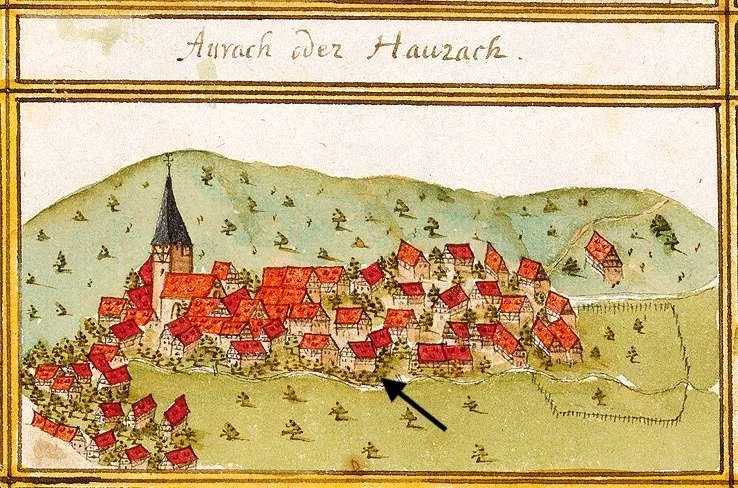
Panorama of Aurich, Kieser 1680-1690, Arrow shows pictured survey object
Development of early Gothic Architecture,
Baden-Wuerttemberg 2013-2022
In early 2013, Marc Wartner began reconstructing the construction phases of the Evangelical Stadtkirche in Vaihingen an der Enz, Germany.
The results of this work were published with Anne-Christine Brehm in:
“Die Steinmetzzeichen am Turmbau der Evangelischen Stadtkirche in Vaihingen an der Enz und ihre Bedeutung für die Bauchronologie der Stadtkirche.”
In: Die Stadtkirche in Vaihingen an der Enz – Kirchliches Leben unter dem Kaltenstein in sieben Jahrhunderten. Vaihingen, 2013.
This work initiated subsequent research projects with the Karlsruhe Institute of Technology (KIT), Institute for Architectural History, including:
Bartholomäuskirche Markgröningen – Reconstruction of Construction Phases, under the direction of Dr. Johann Josef Boeker and Anne-Christine Brehm.During this period, extensive unpublished material was collected through research fieldwork in the region surrounding Markgröningen, Germany.
The images above document architectural elements from the former Cistercian women’s monastery of Rechentshofen (est. 1240).
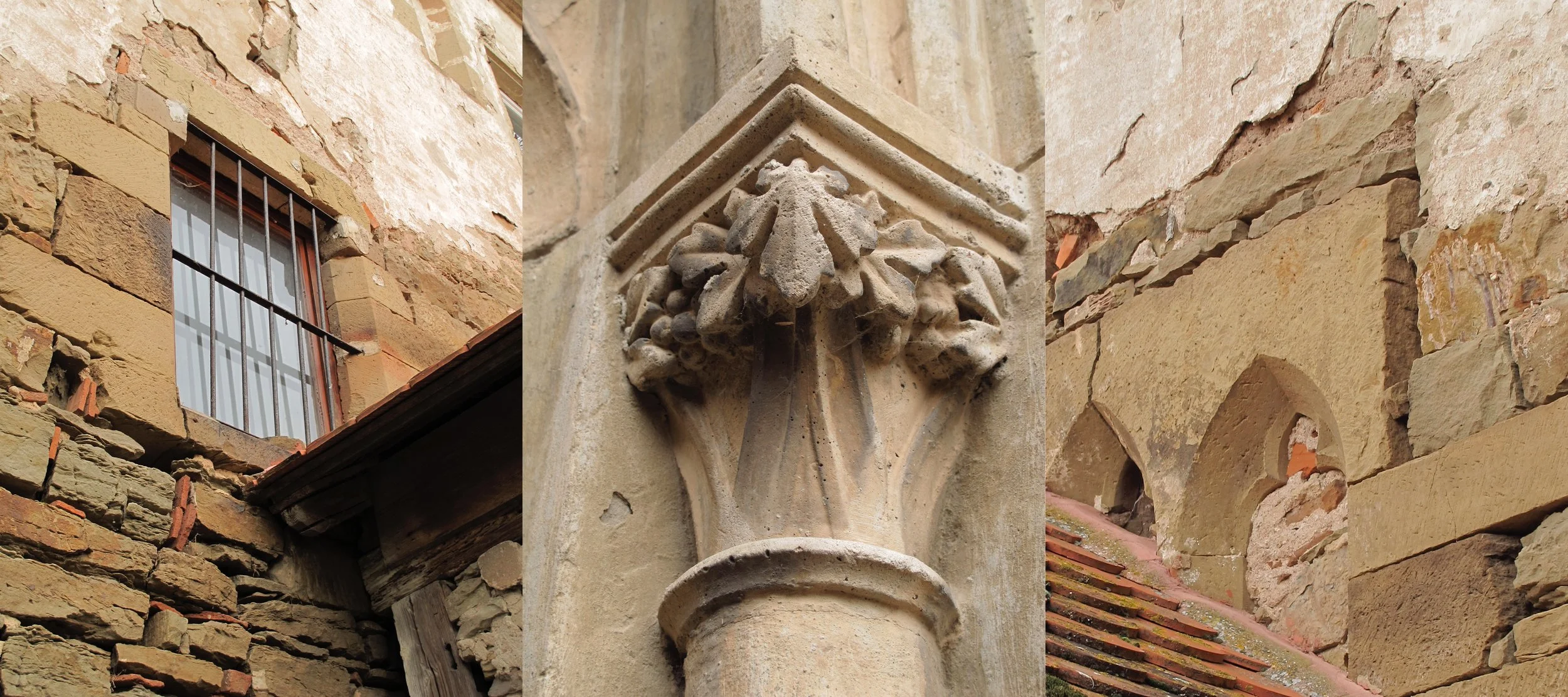
Architectural Parts “Rechentshofen” 1240
Architectural Historic Survey “Chanofsky’sches Schloesschen”
Brettach, Baden-Württemberg 2012-2015
Marc Wartner initiated this project in early 2012 as part of his thesis work. Following the acquisition of Chanofsky’sches Schlösschen by the local government, the historic preservation authorities requested an in-depth architectural survey of the property.
The work included:
• Dendrochronology dating of the different phases.
• Reconstruction of the original floor plans.
• Archival research of former ownership.
• Photogrammetric pictures of the building and as build plans.
• Written report of survey results.
Marc Wartner remained closely involved throughout the restoration process and served as a consultant to the preservation authorities.
An early stage of this work was published in his thesis in January 2014
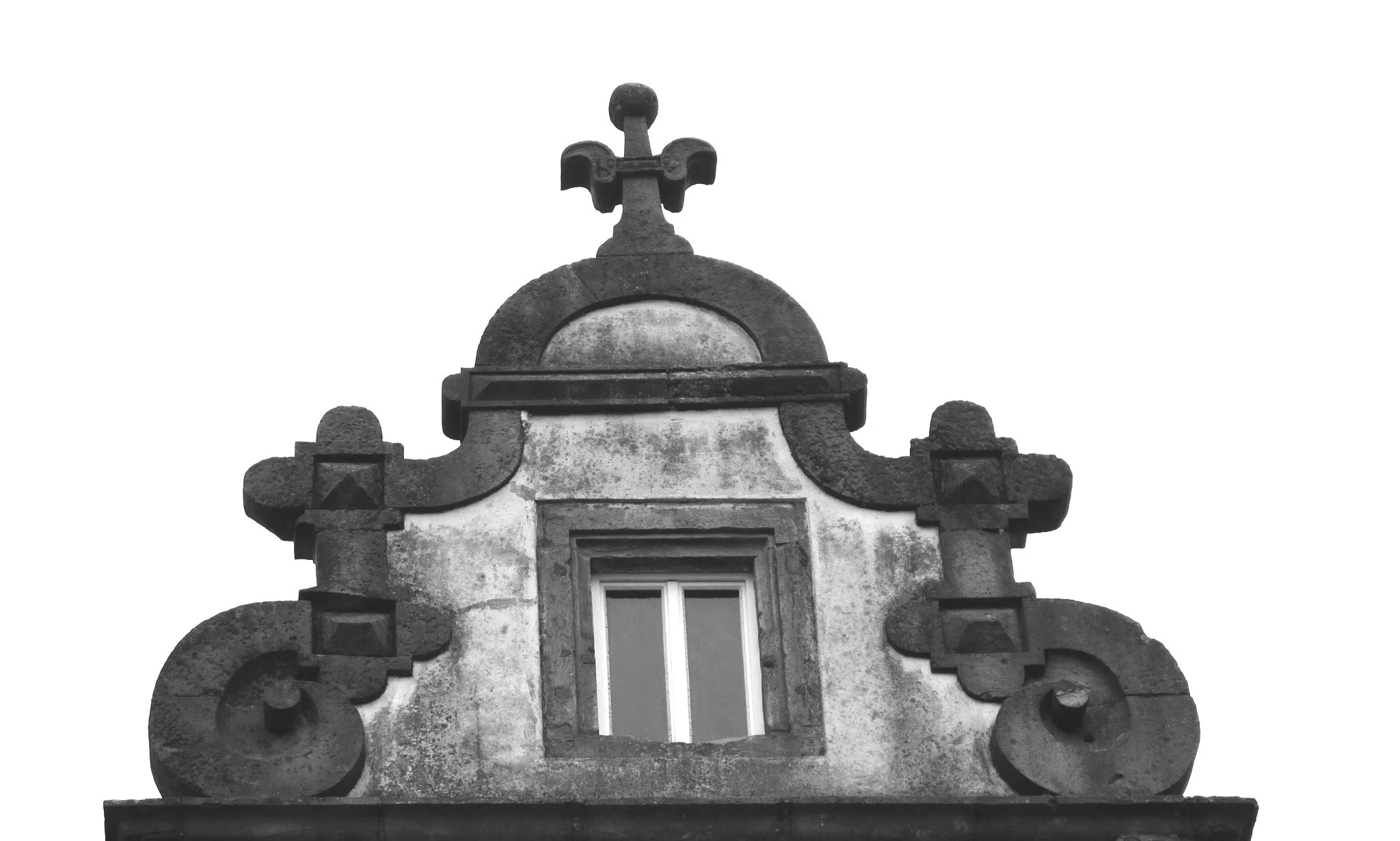
Evaluation of Historic Significance
Multiple locations, Baden-Wuerttemberg, 2016-2019
Between 2016 and 2019, Marc Wartner conducted multiple surveys evaluating historic significance and structural condition at various sites throughout Baden-Württemberg.
These projects focused on close examination of the buildings and their remaining historic fabric, including architectural elements such as window frames, glazing, and other original materials.
The outcome of each survey was a written report used by local authorities to determine whether a building qualified for designation under Denkmalschutz, a system broadly comparable to the National Register of Historic Places in the United States.
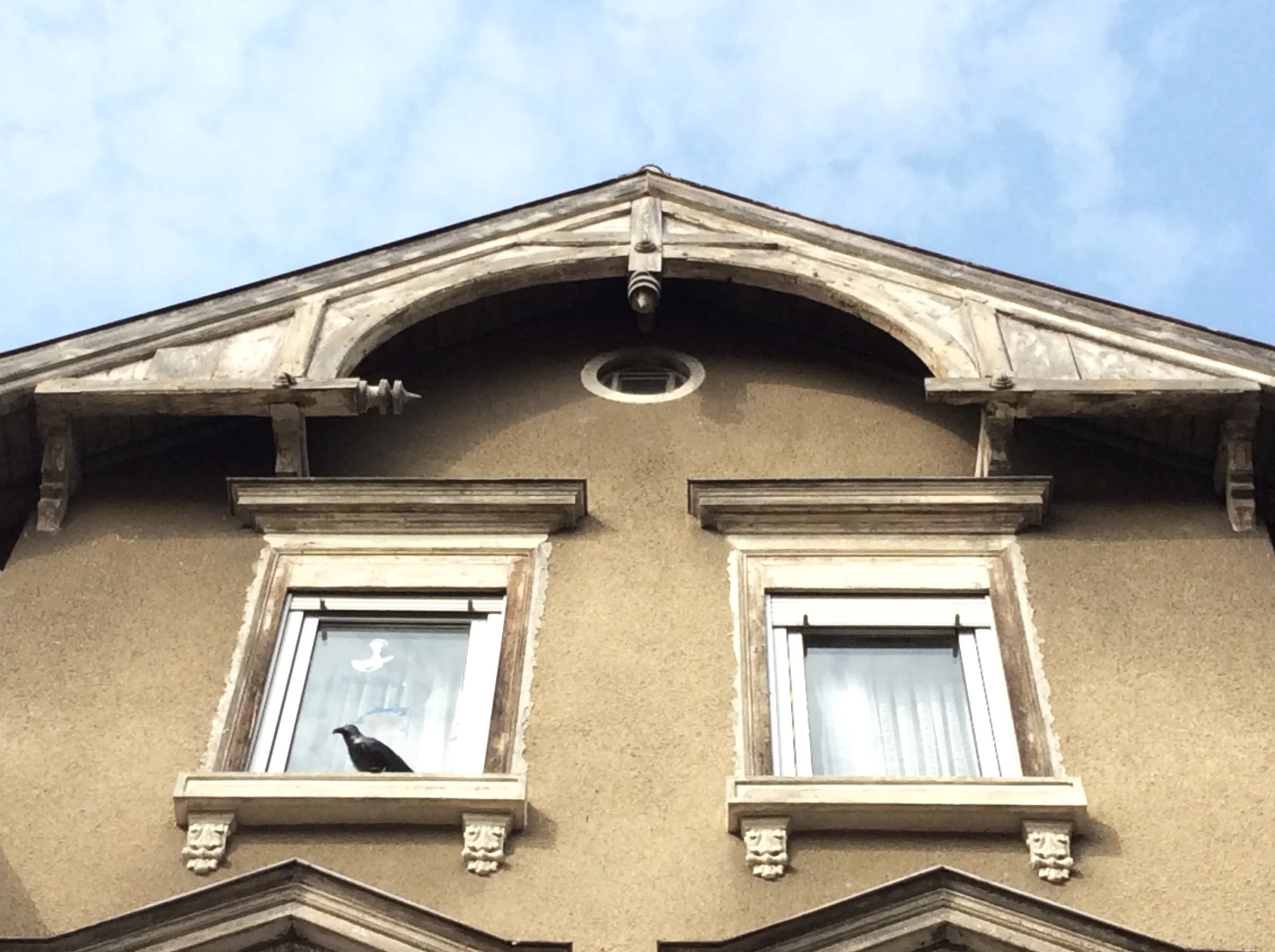
Gustav Siegle Str. 7 , Besigheim
Archeological survey on a Celtic Settlement, 1st and 2nd century BC
Renningen “Raite”, Baden-Württemberg, 2017
In 2017, Marc Wartner was engaged as a subcontractor for archaeological fieldwork at the Celtic settlement site in Renningen “Raite” on behalf of Fodilus GmbH.
His scope of work included:
• Archaeological fieldwork
• Washing, cataloging, labeling, and identification of artifacts
• Documentation and spatial plotting of findings using GPS-based survey methods
A notable aspect of this project was the investigation of several deep wells containing concentrated deposits of artifacts and organic material. Such features are consistent with ritualized deposition practices documented at Celtic settlement sites during periods of abandonment. At the Renningen “Raite” site, these deposits included animal remains recovered from the well features.
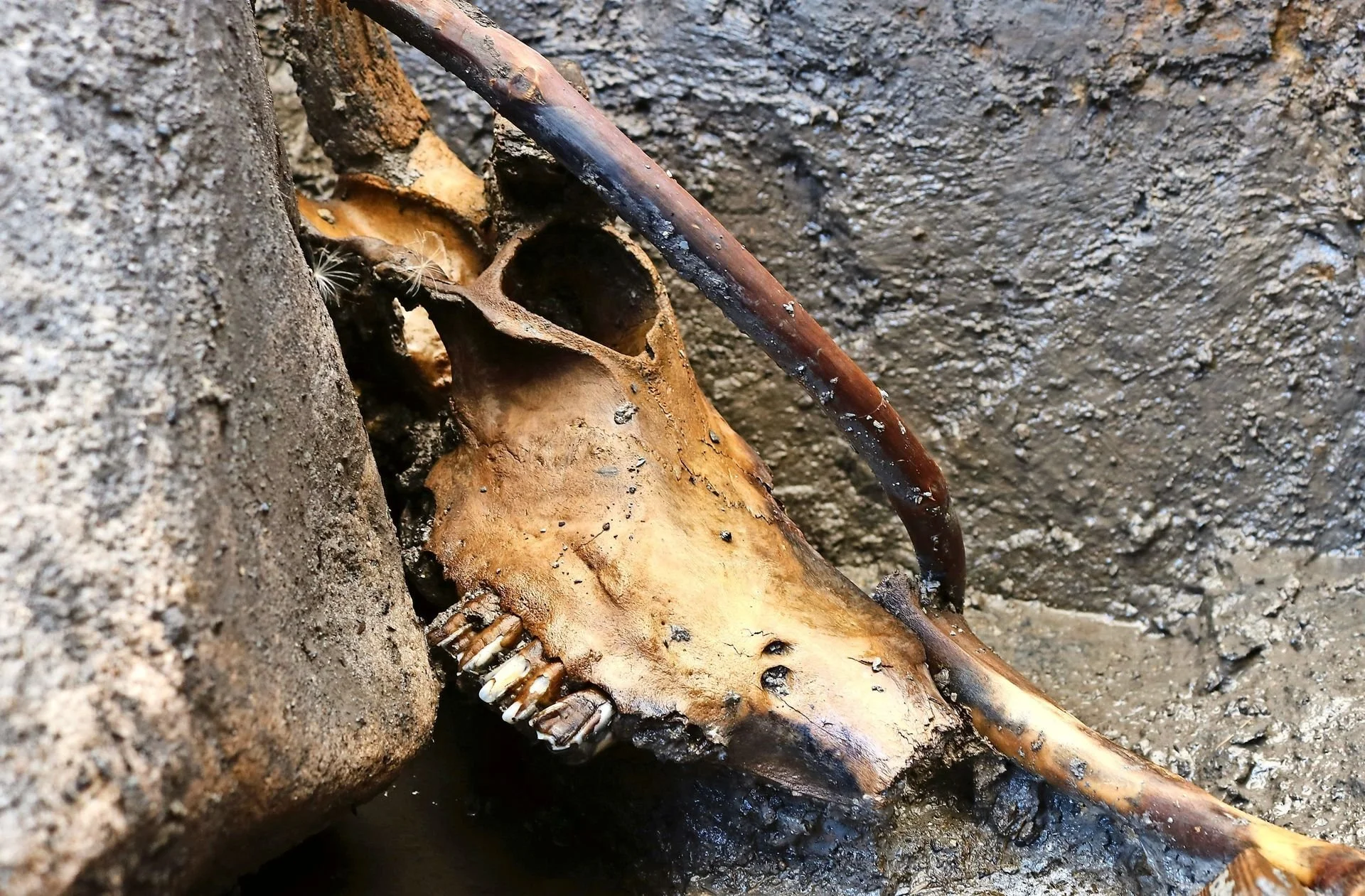
Cow head at bottom of a deep well on the Renningen “Raite” site